
Planning Your First
Valais Blacknose Flock?
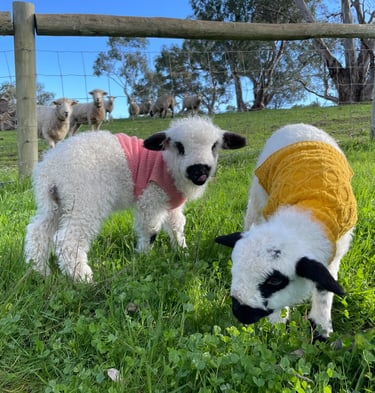
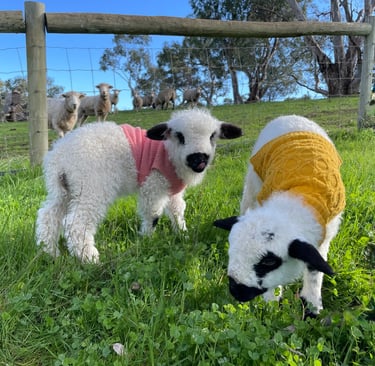
Thinking about starting your journey with Valais Blacknose sheep?
Whether you are dreaming of a breeding program or adding a hobby flock of these beautiful animals to your farm, this guide will walk you through each step.
Valais Blacknose Australia can make starting your Valais journey feel exciting, supportive, and rewarding.
Learning about the Breed
Temperament and Personality
Valais Blacknose are renowned worldwide for their extraordinarily gentle, curious, and people-oriented temperament. They are often described as dog-like in their willingness to interact with humans, making them a joy to work with and a favourite with families, children, and lifestyle farmers alike. Their calm nature also makes them well suited to showing.
Appearance and Wool
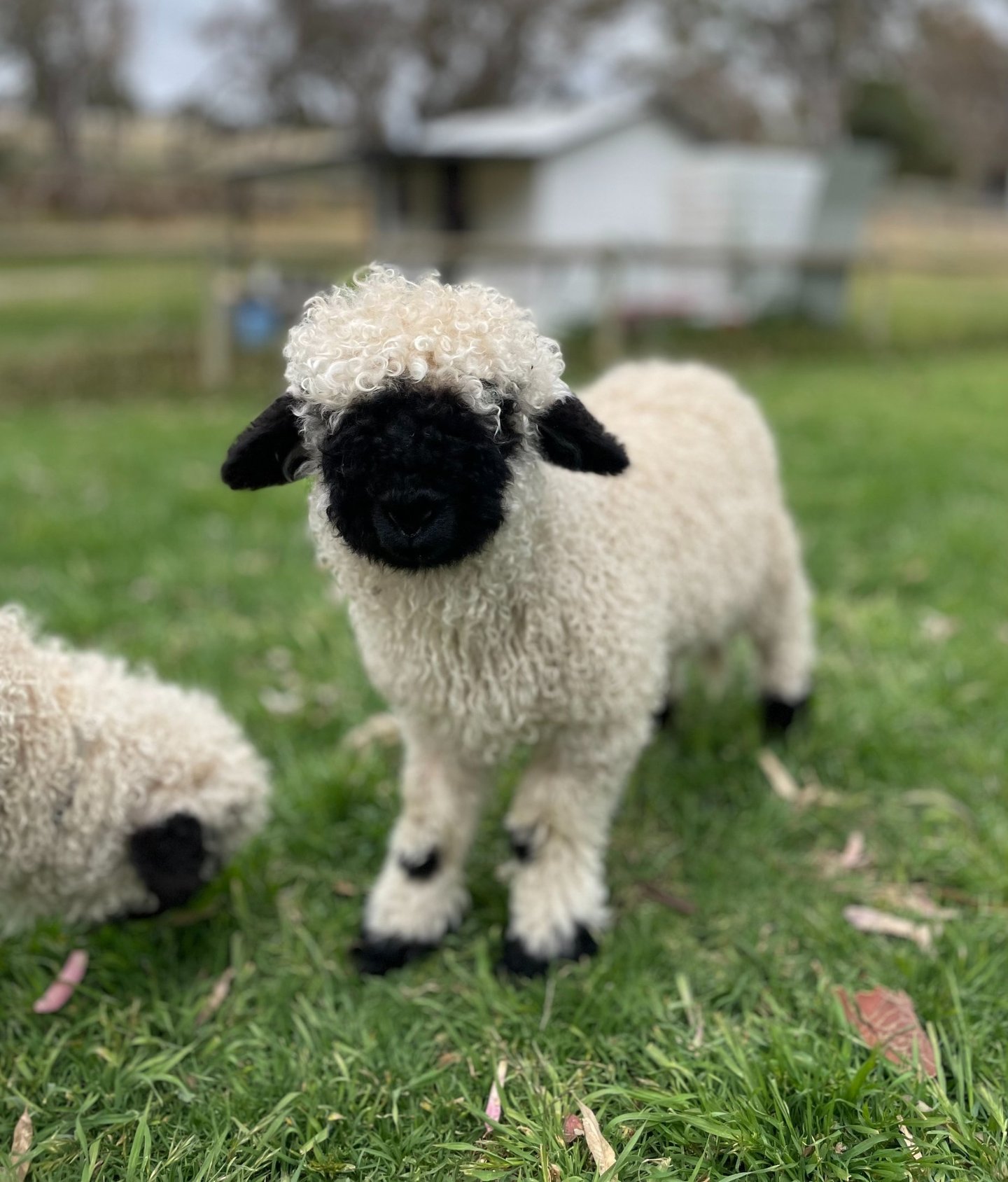
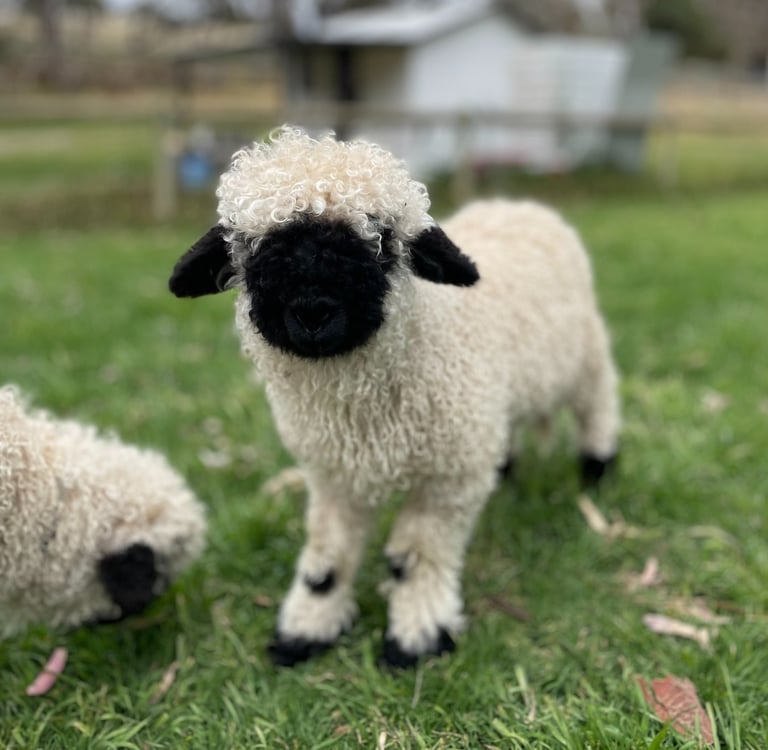
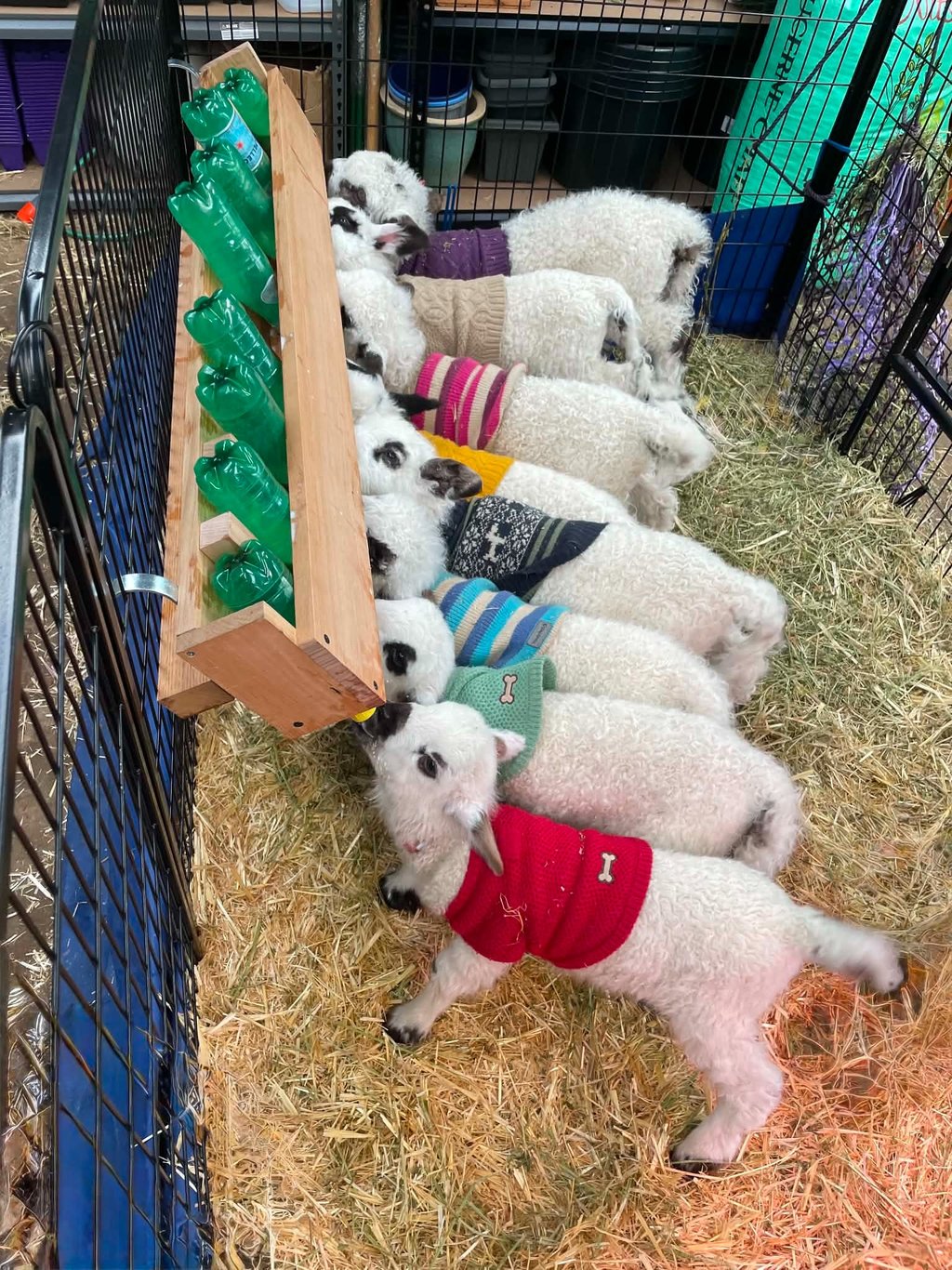
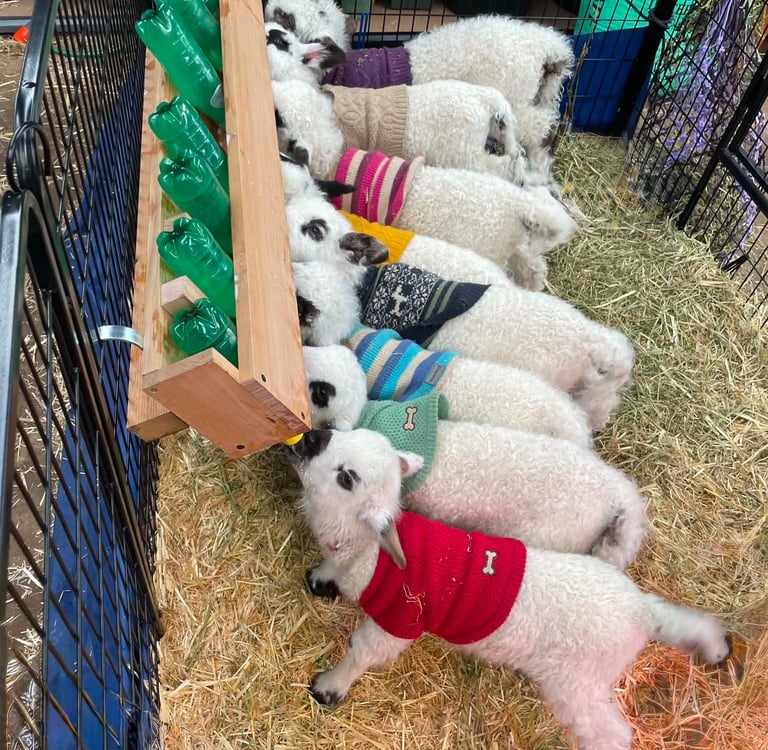
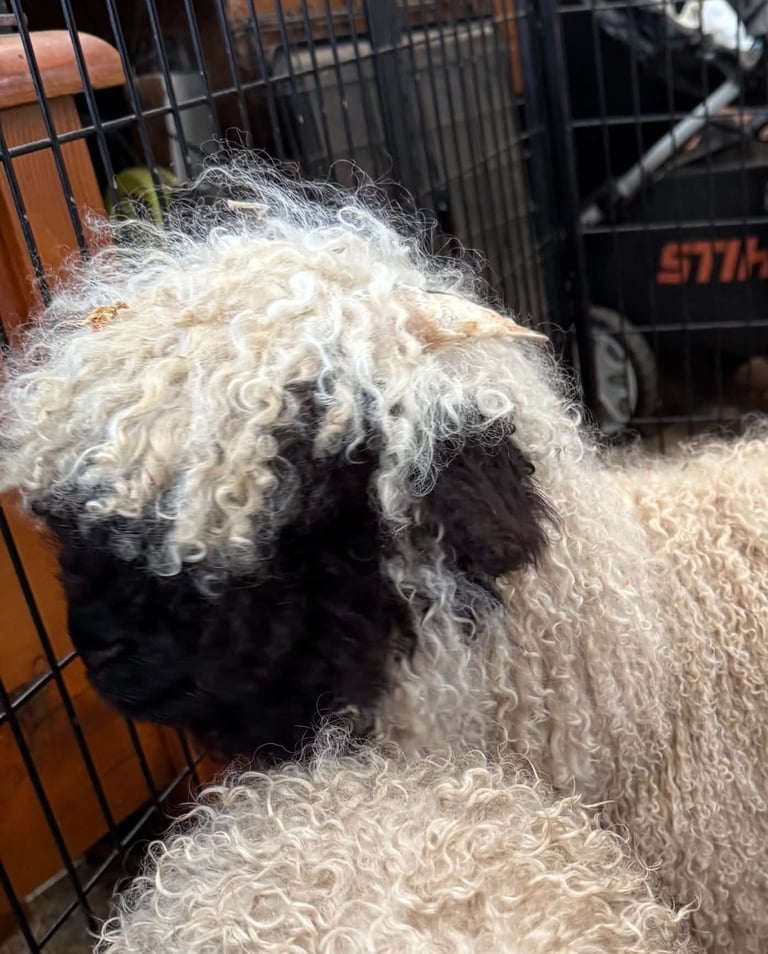
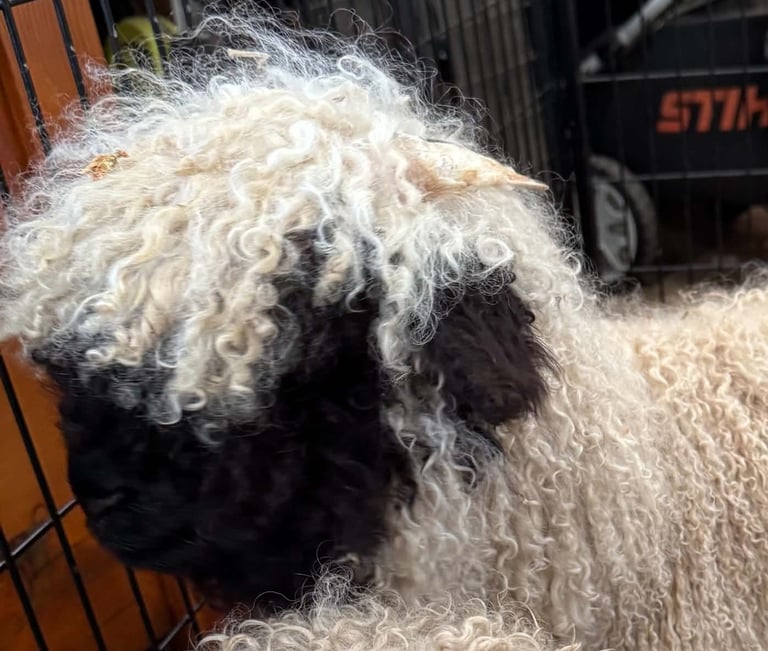
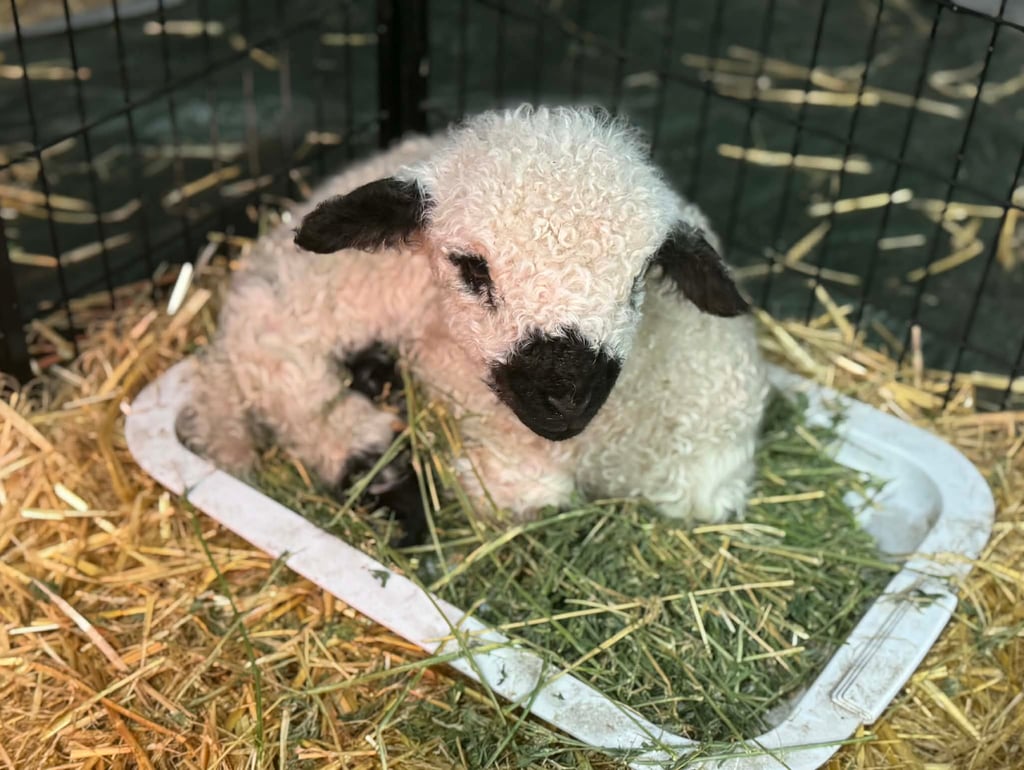
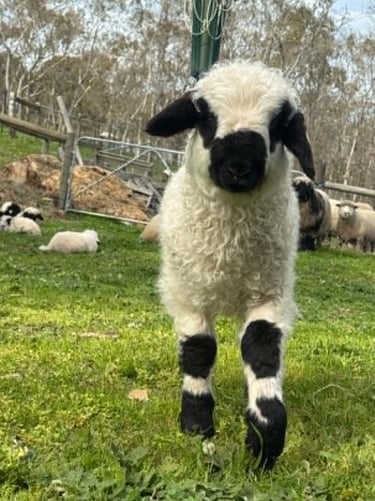
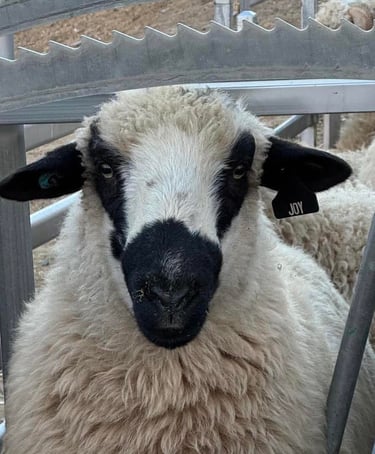
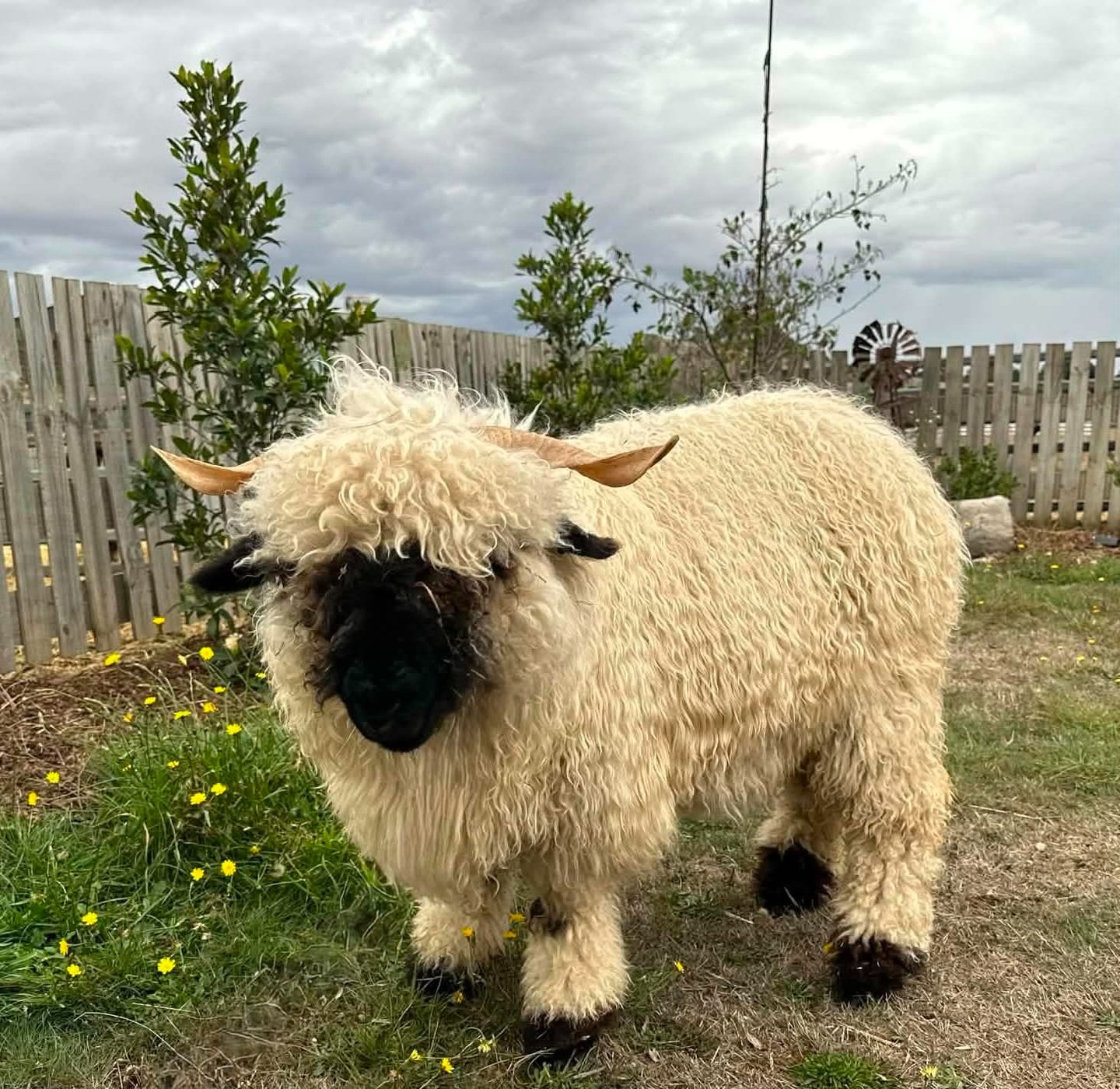
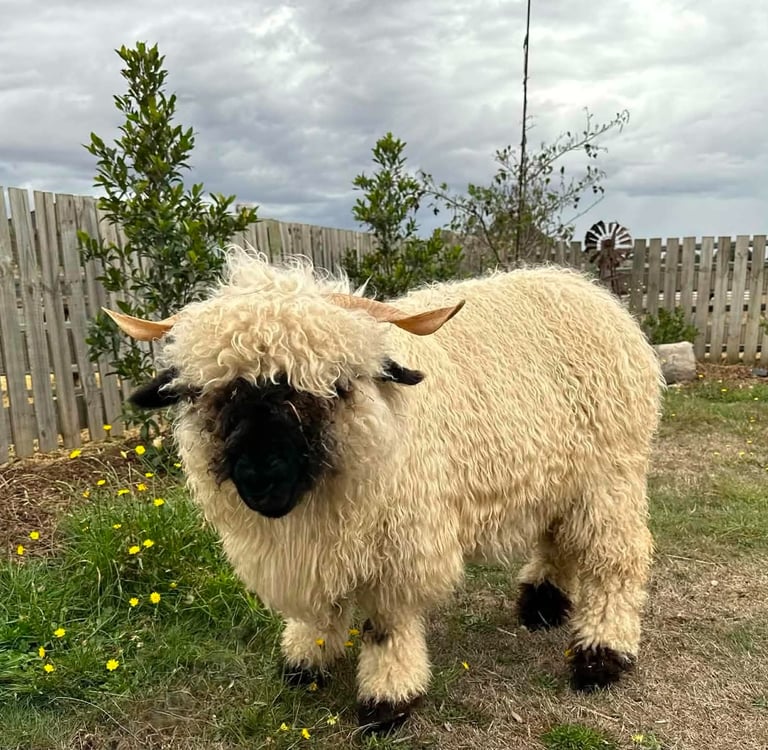
Instantly recognisable by their distinctive black facial markings, black knees, and dense, wavy white fleece, the Valais Blacknose is widely considered one of the most visually striking sheep breeds in the world. Their wool is prized for its quality, softness, and volume. Both rams and ewes carry spiral horns, and a well-presented Valais is truly a showstopper.
Size and Care Requirements
Valais Blacknose are a large breed. They are hardy animals that adapt well to a range of Australian climates, though they do require good nutrition, regular shearing, and attentive management. Their fleece grows continuously and requires shearing at least twice a year, sometimes more in very warm and humid regions.
What Makes Valais Blacknose Unique in Australia
Valais Blacknose were first successfully established in Australia through a dedicated embryo transfer and semen importation. Victoria’s Belinda Cardinal and Tony Urek of Omazel stud led this pioneering effort, with Australia’s first purebred Valais Blacknose lambs born at Omazel in April 2021. The breed remains relatively exclusive here, which contributes to strong ongoing demand and high value for registered animals.
Understanding Pure vs Breed Up Sheep


One of the first things every new buyer needs to understand is the distinction between purebred Valais Blacknose and the Breed-Up program. These are two separate registration pathways with different costs, genetics, and long-term outcomes. Breeders will naturally discuss "Pures" (Purebreds) and "F1s", "F2s" etc, learn the lingo to build your understanding of breeders language.
PUREBRED (Pure) - Animals with full Valais Blacknose parentage on both sides, verified by DNA. Registered on the VBA Purebred Register - White Registration Certificates.
BREED UP (F1-F5) - Animals produced by crossing a Valais Blacknose ram with ewes of any wool breed, then progressively increasing the percentage of Valais genetics through each generation breeding to a Valais Blacknose ram. Registered on the VBA Breed-Up Register - Pink Registration Certificates.
AUSTRALIAN BREED UP PURE (F5 & onwards) - Animals that have reached F5 (96.88% or above Valais Blacknose genetics). Rams must still meet full Breed Standard (the same as Purebred Rams). Australian Breed Up Pure sheep are considered equivalent to purebred sheep for showing. Registered on the VBA Breed Up Register - Blue Registration Certificates.
Appearance Differences
Early F-number animals will carry visible traits from the base breed, including variations in wool texture, face markings, and body shape. By F3 and F4, most animals are visually quite close to a purebred Valais and by F5 it is impossible to distinguish from a Purebred animal. It is important to remember that many purebred animals will not have perfect markings, fleece and conformation. DNA verification confirms the percentage, as appearances alone are not helpful.
Cost Differences
Purebred Valais Blacknose command premium prices reflecting their rarity in Australia and the cost of their genetic importation and breeding programs. Breed Up animals offer a more accessible entry point, with prices ranging significantly depending on the higher F-numbers (i.e. the percentage of Valais Blacknose genetics). Both pathways offer genuine value, depending on your goals.
Why DNA Verification Matters
DNA testing provides verified evidence of parentage and genetic percentage. VBA requires DNA verification for registration, protecting both buyers and the integrity of the Australian Valais Blacknose gene pool. Always purchase animals with verified DNA and current VBA registration certificates. Where DNA testing and registration is currently being done, you can work with your breeder to determine what sort of guarantee they will offer to assure you of their correct status.
Ram Registration Rules
VBA has specific rules governing which rams may be used within each registration program. Buyers planning to breed should familiarise themselves with current VBA regulations before selecting a ram, to ensure any resulting progeny will be eligible for registration at the intended level.
Decide On Your Goals
Valais Blacknose suit a wide range of farming and lifestyle goals. Clarifying what you want from your flock will help you make smarter decisions about the animals you purchase, how many you keep, and how you manage them.
Pets and Lifestyle Farming
Many people are drawn to Valais Blacknose simply because of their extraordinary temperament and stunning looks. A small pet flock can bring enormous joy with relatively straightforward management requirements. If this is your goal, wethers (castrated males) or non-breeding ewes can be an ideal and cost-effective choice. Some say wethers are the most people-focused and loving!
Showing
Valais Blacknose are increasingly popular at agricultural shows. If showing interests you, focus on purchasing animals with strong conformation, excellent wool coverage, and correct markings. VBA’s breed standard (based on the original Swiss Standard) is your reference point, and experienced breeders can help you identify show-quality animals.
Breeding
If breeding is your goal, you will need to understand VBA’s registration requirements from the outset. Purchasing quality registered ewes and possibly a VBA-approved and registered ram gives you the strongest foundation. Consider whether you are aiming to breed purebreds, participate in the Breed-Up program, or both. With the artificial breeding options available, many studs choose not to own a ram to allow the use of semen from all over Australia.
Breed-Up Program
The Breed-Up program allows you to work towards higher-percentage Valais Blacknose genetics over successive generations. This is an excellent option if you already own a suitable base breed of ewe, or if you are looking for a more gradual and affordable path into the breed. The satisfaction of achieving each level of the Breed Up Program on your own farm is immense!
Preparing Your Property
Having the right infrastructure in place before your sheep arrive will make settling them in much smoother and safer for both you and your animals. More detailed requirements are available in the eLearning Program Module: Infrastructure & Stud Design.
Fencing
Sheep-proof post-and-rail, ringlock, or electrified fencing are all recommended fencing options. Valais Blacknose are not generally escape-prone, but secure boundaries protect against predators and neighbourhood issues. A particular escape risk are rams when there are ewes in heat close by; and don't be fooled, ewes in heat will travel to rams if they are able to.
Shelter
A well-ventilated shed or field shelter protects sheep from extreme weather. Valais Blacknose with heavy fleece can be susceptible to heat stress, so shade and airflow are priorities in warmer regions. Sheep will often choose solid tree cover in preference to man-made shelters; having both available is a long term aim.
Feeding Basics
Access to quality pasture is the foundation of good nutrition. Supplement with hay during dry periods and at times of need, e.g. pregnancy and lactation, and provide a suitable mineral and salt lick. Avoid overfeeding grain in preference to fibrous options, which can cause metabolic and digestive issues.
Water
Fresh, clean water available at all times. A single adult sheep can drink 4–8 litres per day, more in hot weather or when lactating.
Handling Facilities
A basic yard, race, and catch pen will save you enormous time and stress. Sheep that can be safely and calmly handled are easier to manage for shearing, vaccinations, hoof trimming, and veterinary checks. Once you have a chosen livestock veterinarian, please discuss their preferences to ensure your stud has adequate resources for their needs.
Predator Protection
Foxes and wild dogs are the primary threats in most areas. Secure overnight housing, guardian animals, and appropriate fencing are all important considerations, especially if planning to have lambs on your property. Livestock guardian dogs can provide protection, though their introduction requires very careful management.
Companion Animals
Sheep are flock animals and should never be kept alone. A minimum of two sheep is recommended, preferably 3-4. Having an alpaca, goat or cow, is not considered a companion - no other species of animal negates the need for at least one companion sheep. Many people purchasing higher-cost Valais Blacknose sheep, find an excellent option to be a Breed Up wether companion.
Choosing the Right Breeder
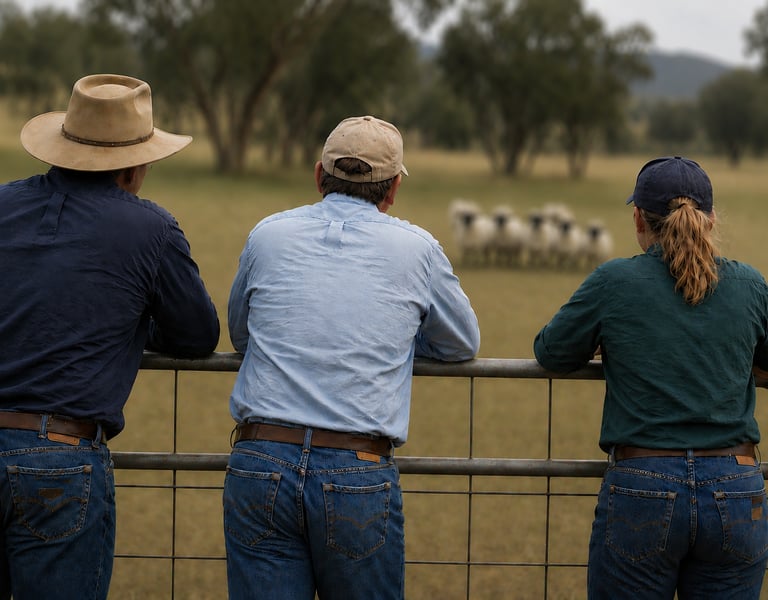
Purchasing from a registered VBA breeder gives you confidence in the genetics, documentation, and welfare history of your animals. It also may give you access to an experienced mentor who has a genuine interest in your success.
Why Buy from a Registered Breeder
VBA-registered breeders operate under VBA’s Code of Ethical Conduct and registration framework.
Their registered animals carry verified DNA and current registration certificates.
You have a clear pathway to register any progeny through VBA.
You receive ongoing support from a breeder who knows the animals’ history.
Please remember, purchasing an animal that is not registered or in the process of being registered, means their lambs (progeny) can't be registered also. The only exception to this is the recommencement of the Breed Up Program starting with F1 even if the supposed Valais Blacknose genetic content is higher.
Questions to Ask Before Purchasing
Please review the For Sale & Buying Guide for an in-depth list of questions and issues to address with breeders when exploring purchasing animals.
Is the animal currently registered with VBA? Can I see the registration certificate?
Has DNA been verified? What is the recorded parentage?
Is the animal tagged with a current NLIS tag?
What vaccinations has the animal received, and when?
What is the animal’s feeding history and current body condition?
Has the animal been tested for OJD (Ovine Johne’s Disease) or how is Johne's Disease managed on your stud?
What is the animal’s temperament like? Is it halter-trained?
Understanding Registration Certificates
A VBA registration certificate confirms the animal’s identity, parentage/DNA status, and registration level. Always request the original or a verified copy before purchase. Do not purchase animals without valid documentation, unless an agreement is made with between you and the seller as to what would happen if it were found that the animal was not of the parentage or Breed Up/Purebred status as reported in the purchase. It is easy to say do not purchase without a certificate however when purchasing lambs, this can be difficult - the DNA verification/parentage confirmation process which is the foundation of registration can take up to 3 months. As such, some system to manage registrations in process can be needed, particularly when purchasing young lambs.
NLIS eID Tags
All sheep sold in Australia must carry a current National Livestock Identification System (NLIS) tag. These tags allow animals to be traced through the supply chain and are a legal requirement for movement. Confirm that NLIS tags are in place and match the animal’s paperwork before completing any purchase.
Other Ways to Connect with Breeders
Find your local breeders and start to build a Valais Blacknose Network around you
Follow VBA member breeders on their social media pages to see their flocks and get a sense of their management practices - identify Breeders who have the same goals as you.
Attend VBA events and agricultural shows in your area. Meeting sheep and breeders in person is one of the best ways to build your knowledge and confidence.
Costs to Expect
Valais Blacknose are a premium breed, and setting realistic expectations early will help you plan and budget with confidence. The figures below are indicative guides only and will vary significantly by region, season, and individual circumstances. This is a starting point to begin exploring costs for your new stud.
Purchase Price
Breeders set their own prices based on the type of Valais Blacknose (i.e. purebred or the level of breed up) but here is a guide of what to expect:
Purebred animals command the highest prices: wethers from $3000, breeding rams from $18,000, and breeding ewes from $18,000.
Breed-Up animals range from more accessible entry-level prices at F1 (wethers from $500, ewes from $3000) through to premium pricing at F4 and F5 which will be heading toward purebred prices.
Wethers and non-breeding animals are generally priced lower than breeding ewes or rams and therefore make excellent companion animals for breeding animals if only purchasing a few.
Feed
Pasture is the primary feed source for your sheep. Hay, silage supplements, and loose minerals add to ongoing costs, particularly during dry periods or in intensive breeding programs.
Shearing
Shearing is a cost that varies dramatically between regions and shearers. Some shearers will charge as little as $15 per sheep (or less), or as much as $50 per sheep, but will have minimum sheep numbers to make it worth their set up. They will also charge a travel fee which is a reasonable addition when they are coming to your farm. Budget for at least two shearings per year. In warmer humid regions, more frequent shearing may be recommended by your veterinarian. Shearing costs vary by shearer and flock size. Shearers will also usually offer hoof trimming also, along with other basic husbandry tasks.
Vaccinations
The gold-standard annual vaccination program typically includes Glanery 7-in-1 vaccinations for clostridial diseases (approx. $485); Glanvac 6-in-1 is a more reasonable $150. If you choose to vaccinate your flock against Johne's Disease, Gudair vaccines costs approximately $585. These three vaccines come in vials with 250, 100 and 100 doses respectively. Sharing vaccines with other local sheep farmers or your Valais Blacknose network if they are local to you, can dramatically reduce the costs of this vaccination program. Your veterinarian will advise on a vaccination program appropriate to your region. Some vaccinations may be available per dose from your veterinarian or shearer at a profoundly more affordable cost.
Fencing and Infrastructure
Upfront costs can be significant if your property requires new or upgraded fencing, yards, or shelter. Seek quotes from multiple contractors and approach steel suppliers using Australian steel and internationally produced products. Consider the pros and cons for choosing the best or more affordable options. Factor this into your initial budget.
Veterinary Costs
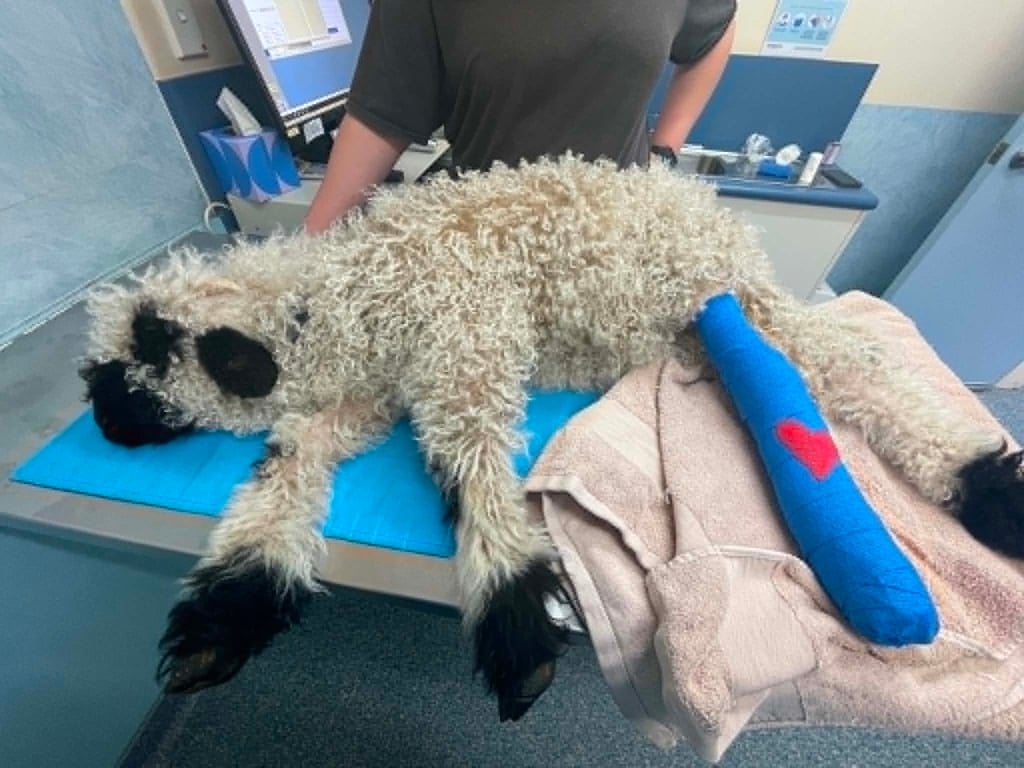
Valais Blacknose breeders will often have two veterinarians who service their studs: a Livestock Veterinarian who manages day-to-day care of their animals, and a Reproductive Veterinarian if they are utilising forms of artificial breeding, e.g. artificial insemination. Both types of vets will most likely be happy to provide you with a general sense of the costs involved in their care.
An essential early task is finding a livestock vet who will come to your farm; some will allow you to take animals to them to avoid travel costs. Once you have chosen a veterinarian, ask for estimates for travel and common tasks, e.g. pregnancy scanning or collection of FEC (Faecal Egg Counts). Occasional veterinary consultations are normal ongoing costs. Emergency veterinary care should also be factored into your planning.
In time, you will most likely find it possible to do more of the health requirements yourself, for example collecting faecal samples to send away for Faecal Egg Counts.
Insurance
Some breeders choose to insure high-value animals. Speak with your insurer about options for livestock insurance appropriate to your situation.
Bringing Your Sheep Home
The first few days after bringing new animals home are critical. A calm, considered approach will help your sheep settle quickly and give you early warning of any health concerns.
At the stage of having new Valais Blacknose Sheep, your knowledge base needs to be at a level where you can provide safe care. Valais Blacknose Australia would encourage you to have completed all eLearning Modules and have a mentor in place for support. VBA would be happy to assist you with any preparations as you work toward opening your stud.
Transport
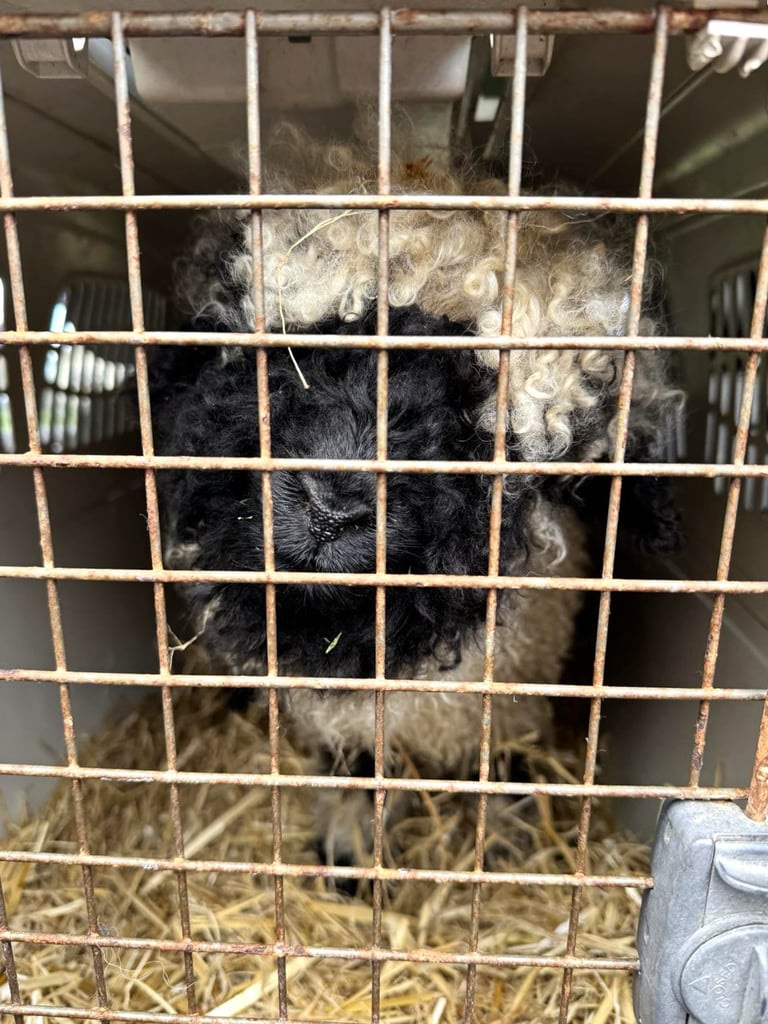
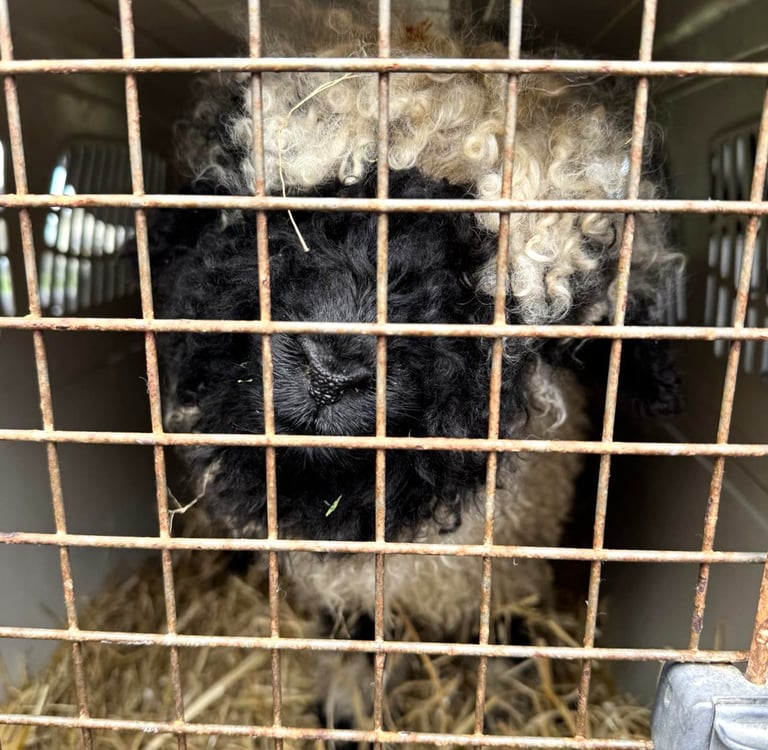
Ensure your vehicle and/or trailer are appropriate for sheep transport. Ventilation is important, particularly in warm weather. Keep journeys calm and avoid sudden braking. Secure appropriate movement documentation, including the National Vendor Declaration (NVD) and NLIS transfer records, before moving animals.
There are also Livestock Transport companies and contractors who are able to undertake transport for you if distances or circumstances make this a more appropriate option.
Quarantine
There is always risk when introducing animals to an existing flock, or farm with other animals. Always quarantine new arrivals separately from any existing flock for a minimum of 21 days. This protects your established animals from potential disease introduction. Conduct a FEC (Faecal Egg Count) on new arrivals and treat for internal parasites as indicated before integrating them into the flock. Please remember: there are issues you will not be able to identify within any quarantine period; as such it is a further reason to always be vigilant of all animals on your stud at all times.
Settling In
Give new animals time and space to orientate themselves. Provide water and quality hay from the moment they arrive. Minimise unnecessary handling in the first few days unless they are young lambs. Spend time nearby so they become accustomed to your presence and routines.
Feeding Transitions
Abrupt changes in feed can cause serious digestive upsets. If possible, find out what the animals were eating at their previous property and transition gradually to your chosen feeding program over 10-14 days.
Introducing to Other Sheep
After the quarantine period, introduce new animals to any existing flock gradually. Allow visual and nose-to-nose contact across a fence before full mixing. Monitor for bullying, particularly around feed sources.
Signs of Stress
Some degree of unsettled behaviour in the first days is normal. Watch for prolonged loss of appetite, isolation from the group, rapid breathing, nasal discharge, signs of lameness, or any behaviours of concern. Contact your veterinarian and the Breeder if you have any concerns.
EMAIL info@valaisblacknoseaustralia.com.au
© 2026. VBA Ltd. All rights reserved.


Facebook Groups